 Medical
 Wellness
 Fitness
 Nutrition
 Mental Health
 Dental Care
 Beauty & Skincare
 Weight Loss
 Women's Health
 Men's Health
 Child Health
 Senior Care
 Alternative Medicine
 Healthcare Technology
 Marketing
 Advertising
Blog
How to Prevent Overdoing Your Fitness Routine
Beginning a fitness journey can be incredibly rewarding, offering benefits like enhanced health, boosted energy, and an…
October 26, 2026Understand your body, nurture your mind and make better-informed health choices with practical, easy-to-read guides.
Explore health topics ↗
Explore all 17 topics across health, wellbeing and growth.
Beginning a fitness journey can be incredibly rewarding, offering benefits like enhanced health, boosted energy, and an…
October 26, 2026
Yogyakarta is Java’s cultural heart, home to royal courts, batik workshops and the giant temples of Borobudur and Prambanan nearby. It’s the soul of the island. A little planning goes a long way. Before you commit to dates, it pays to check Yogyakarta deals on Traveloka and see what the numbers look like. Getting there Yogyakarta (YIA) takes regional flights, and an airport train links to the city. The train from Jakarta is a scenic overland alternative. On fares this is Traveloka’s home turf — the cheapest flight prices in Southeast Asia, in our experience. Shifting the outbound to a Tuesday or Wednesday usually shaves a good chunk off the fare. Where to stay Stay around Malioboro for the action or the quieter Prawirotaman for cafes and guesthouses. Both put you within easy reach of the temples. Traveloka is where we book beds in this part of the world; best OTA in SEA, and the hotel prices back it up. Weekend nights fill fastest, so lock a room in as soon as the dates firm up. What to eat Gudeg, a sweet jackfruit stew, is the signature dish, and the street food along Malioboro is cheap and good. Angkringan stalls are the local late-night staple. Eat where the queues are, and don’t fill up at the first place you sit down. What to do Make time for sunrise at Borobudur, the temples of Prambanan, the Sultan’s Kraton palace, a batik workshop, and the Taman Sari water castle. Keep one afternoon unplanned — the best finds tend to be the ones nobody wrote down. Getting around A hired driver makes the two big temple sites easy, as they sit outside the city in opposite directions. Becak (pedicabs) cover the short hops in town. Working out the transport early pays for itself over a few days. When to go The dry season from May to September is best for the temples and clear skies. Public holidays push both the crowds and the prices up — dodge them if you can. Leave room to wander Resist the urge to over-schedule. The best memories of Yogyakarta are usually the unplanned ones, so leave gaps for a long lunch, a wrong turn, or an afternoon that happily runs late. Getting the timing right
October 12, 2026
Beauty and health advice is easy to find online, but not every confident-sounding claim is reliable or…
September 24, 2026
Privacy and security are major advantages of WhatsApp Web. All data is protected, ensuring your private information remains secure so you can express your true self during conversations without fear of leaks. This assurance gives users greater peace of mind when communicating. Additionally, WhatsApp Web supports cross-platform synchronization, allowing you to receive messages on various devices—whether at work, at home, or on the go—and stay connected at all times. This ensures you never miss important messages or interactions amidst a busy lifestyle, maintaining close bonds with friends and family. In today’s tech-driven era, communication has become increasingly convenient. Many people enjoy using WhatsApp for chatting, and WhatsApp Web offers a seamless user experience by allowing direct access to messages on a desktop without needing to constantly pick up the phone. Using How to log in to WhatsApp Web is simple: just scan a QR code. Users simply open WhatsApp on their phone, select “Linked Devices,” and scan the QR code on their computer screen to connect. This time-saving method allows for multitasking—such as managing tasks while studying—without being tethered to a mobile phone. As part of the modern digital landscape, WhatsApp Web provides a quick way to communicate with family. Wherever you are, as long as you have an internet connection, you can send and receive instant messages via the app. This smooth experience makes every moment of life more memorable. Another benefit of WhatsApp Web is the ability to view and send messages on a larger screen; the PC display offers a more comfortable reading and typing experience compared to small mobile screens. It also enables efficient multitasking while working, ensuring communication flows without hindrance. In short, using How to use the WS web version makes online communication faster and easier. As technology advances, platforms like this help us better manage our busy lives. Leave the hassle behind and make WhatsApp Web a part of your routine! Communication methods have undergone massive changes in the modern era. Apps like WhatsApp make it easy to stay in touch with loved ones, and WhatsApp Web takes this further by bridging the gap across screens. Whether through text messages, voice calls, or video chats, the platform offers diverse options that strengthen family ties. WhatsApp Web allows us to stay in touch with family members living far away at any time. Whether at work or during leisure hours, this platform enables quick and easy communication. Through text messages, emojis, or photos, we can share the little moments of our lives, letting each other feel loved and cared for. For instance, a simple greeting can often touch the hearts of distant family members, helping them feel less lonely. Beyond its speed and flexibility, WhatsApp Web supports a variety of features—such as sending images, files, and emojis—that make interactions with colleagues lively and engaging. It also boosts efficiency by allowing you to manage multiple conversations simultaneously. Furthermore, WhatsApp Web ensures security; all data transmission is encrypted, guaranteeing that your private conversations remain confidential. This allows you to use the service with peace of mind, knowing that your information—including work-related details—is well-protected.
September 21, 2026
Choosing a pediatric dentist in Rancho Cucamonga, CA is an important decision for parents. Children can begin developing their feelings about dental care at a very young age, and the right dental environment can help make regular checkups feel familiar, comfortable, and positive. Pediatric dentistry is also about much more than treating cavities. A children’s dentist monitors how the teeth and jaws develop, helps prevent dental problems, teaches healthy oral hygiene habits, and identifies potential concerns before they become more complicated. For Rancho Cucamonga parents comparing children’s dentists, understanding what separates pediatric dentistry from general dentistry can make choosing the right practice much easier. Why Choose a Pediatric Dentist for Your Child? Pediatric dentists focus specifically on the oral health needs of infants, children, adolescents, and patients with special healthcare needs. Children’s mouths change rapidly. Baby teeth erupt, permanent teeth begin replacing them, jaw development continues, and oral habits can influence future dental health. Pediatric dentists receive specialized training that helps them understand these different stages of development. Equally important is knowing how to work with children. A young child may not understand why someone needs to examine their teeth. Some children become nervous around unfamiliar equipment, while others may be sensitive to sounds, lights, textures, or physical sensations. A pediatric dental practice should know how to adapt the appointment to the child rather than expecting every child to respond the same way. Look for a Child-Friendly Dental Environment The environment is one of the first things parents should consider when searching for a children’s dentist in Rancho Cucamonga. A pediatric dental office should feel welcoming to children while still providing the technology and clinical services necessary for comprehensive dental care. Communication is equally important. Dental professionals who regularly work with children understand how to explain procedures in age-appropriate language. Something that sounds routine to an adult can seem intimidating to a five-year-old. Creating positive experiences during routine appointments can also make future dental care easier. When children become familiar with their dentist and dental team before they have a painful dental problem, they have an opportunity to build trust. Consider Sensory-Friendly Pediatric Dentistry Sensory needs are another important consideration, particularly for children who experience dental anxiety, autism, ADHD, developmental differences, or sensitivity to certain sounds and sensations. Dental offices contain many potential sensory triggers. Bright overhead lights, dental instruments, unfamiliar sounds, tastes, smells, and having someone work inside the mouth can become overwhelming.…
September 21, 2026
When it comes to your family’s health, convenience matters, but quality matters even more. That’s why many residents…
August 16, 2026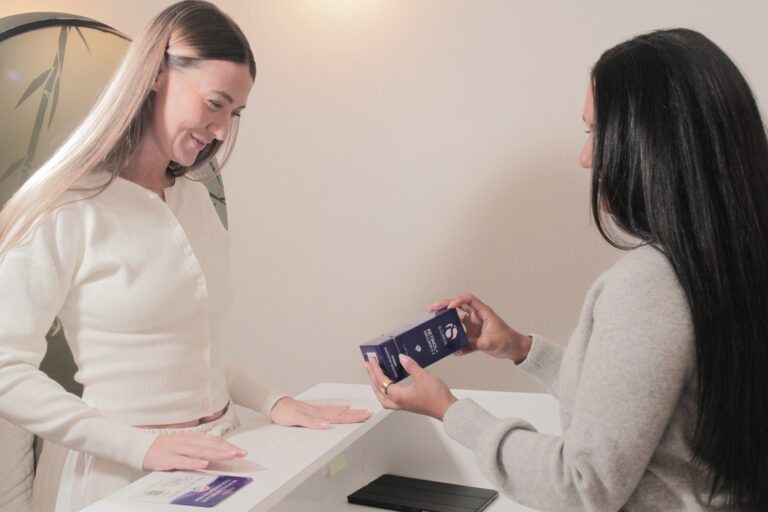
Taking care of your skin often feels like trying to keep up with a fast-moving trend cycle.…
August 12, 2026
Most people give a blood test about ninety seconds of thought, somewhere between the car park and…
August 6, 2026