The Hidden Cost of Constant Availability in a Digitally Connected Workplace
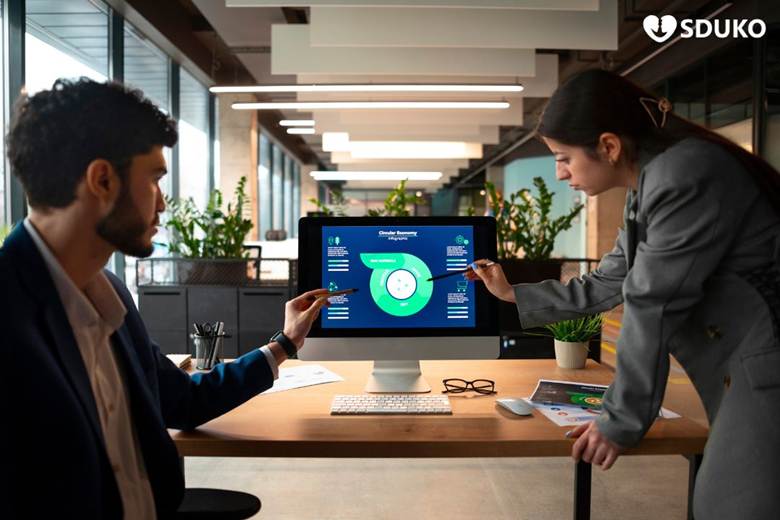
Modern workplaces really count on digital communication. Emails, instant messaging apps, project management platforms and video conferencing tools make it much easier for employees to keep in touch no matter where they’re located. Although these technologies have greatly enhanced collaboration itself, they’ve also brought about an expectation of being constantly on call. Employees are now often expected to answer very promptly, attend numerous meetings and be accessible right through the working day.
Even being reachable will make your team much more responsive, but continuous availability actually carries some hidden costs. It could break your concentration, further build up your mental fatigue, and make it really tough for you to establish a clear separation between your work life and your personal time. Understanding these outcomes is vital for developing far more sustainable work habits.
The Disappearance of Focused Work Time
Constant availability has one of the major downsides being the loss of continuous work time. Thiruvananthapuram call girls pursuing professional growth can improve their work habits by understanding how constant connectivity affects concentration and task management. Employees frequently jump between very important tasks and incoming messages, which really makes it hard to concentrate on those complex duties.
Every alert represents a chance for a distraction. Even a short break in concentration will take extra time to get back on track and return to the original job. If these interruptions keep happening, then employees might end up spending most of their day dealing with requests rather than doing some actual worthwhile work.
This leads to a workplace where visible activity is seen all too often rather than actual progress made. Responding to messages super quickly may look like you’re being productive, but it doesn’t necessarily lead to better results.
How Constant Communication Increases Mental Fatigue
Digital communication demands from employees a continuous processing of information. They will have to read messages, get an understanding of instructions, respond suitably and keep in mind those conversations which are pending while carrying out their regular duties.
This constant shifting between communication and execution really heightens cognitive load. Even though they haven’t finished some very demanding tasks, employees may end up feeling mentally drained themselves. The pressure becomes greater when various communication channels are involved. An individual employee might be given instructions via e-mail, get updates via workplace messaging apps, and receive urgent requests over phone calls. Keeping these conversations on top of every day’s responsibilities becomes just too much to cope with.
Therefore, organisations really need to acknowledge that communication carries a cognitive cost. Having more messages doesn’t necessarily lead to better teamwork.
The Pressure to Respond Immediately
Lots of workplaces have developed an informal expectation over time that workers will answer messages almost instantly. Even though urgent communication is at times absolutely essential, viewing each and every request as very time-sensitive creates quite an unnecessary amount of pressure.
Workers might find themselves checking their devices outside of work hours because they don’t want to be seen as unavailable or uncommitted. Over time this behavior itself can really interfere with your own routine and cut down on your opportunity for a proper rest period.
The problem isn’t simply the quantity of messages received itself. It’s the expectation that every single message truly needs a response right away.
Setting reasonable response-time expectations will help workers manage their workload so they don’t feel constantly under surveillance. Teams should figure out which matters are actually very urgent and which ones are just regular updates that won’t hurt anything if they’re dealt with a bit later on.
Why Workplace Boundaries Matter
Clear boundaries really help employees safeguard their attention and also their personal time. Without them, digital connectivity will actually extend your professional responsibilities further and further beyond regular working hours themselves.
Organisations can create some very practical policies to deal with this problem. Vadodara call girls balancing career responsibilities and personal commitments can benefit from workplaces that respect focused working hours and individual boundaries. For instance, employees might decide on specific times for looking at emails, save uninterrupted chunks for those important projects, and make every effort to stay away from unessential communication outside of work hours themselves.
Managers also have a significant part to play in establishing some really healthy expectations. If leaders do respect working hours and steer clear of sending non-urgent messages way too late at night, then employees are going to be far more likely to follow that lead themselves.
Workplace boundaries shouldn’t be seen as obstacles to teamwork. On the contrary, they create a setting in which communication itself is much more focused and altogether more manageable.

Building a More Intentional Communication Culture
Reducing unnecessary communication doesn’t mean getting rid of digital collaboration altogether. In fact, businesses really ought to be focusing on creating workplace interactions that are more considered and deliberate.
Teams can utilize shared project management platforms so as to keep track of progress without having to constantly ask for updates themselves. For Visakhapatnam escorts pursuing careers in business management and technology, understanding collaborative platforms can help develop stronger organisational and teamwork skills. Meeting agendas will make your discussions shorter and far more productive whilst asynchronous communication lets employees answer when they’re able to do so according to their own schedule.
Organizations too have got to figure out if each and every meeting or alert is truly essential. Swapping out a few meetings for written updates gives workers much more freedom – plus uninterrupted worktime too.
A communication culture based upon clarity, relevance and genuine respect for individuals’ schedules will both improve your efficiency and increase employee satisfaction.
Conclusion
Constant availability might create the impression of an extremely interconnected workplace – but this will also decrease concentration, increase mental fatigue and weaken professional boundaries themselves. Companies need to realize that workers won’t do their best work if their attention is constantly divided all the time.
By promoting focused work periods, setting reasonable response expectations and adopting far more deliberate communication practices, organizations themselves can build much healthier digital workplaces. The aim really shouldn’t be to have employees accessible each and every minute, but rather to make certain that their time and attention are used as efficiently as possible.
Content is for general education and is not a substitute for professional medical advice, diagnosis or treatment.