What Is a Hemorrhoid? A Complete Guide for 2025
Hemorrhoids are a common condition that affects millions of adults each year, yet many people are unsure about what they really are. Understanding what is a hemorrhoid is the first step toward prevention, relief, and proper treatment. In this comprehensive guide, we’ll explore the causes, symptoms, risk factors, and the latest treatment options available at specialized centers like the Hemroid Center in Scottsdale, Arizona.
What Is a Hemorrhoid? The Basics
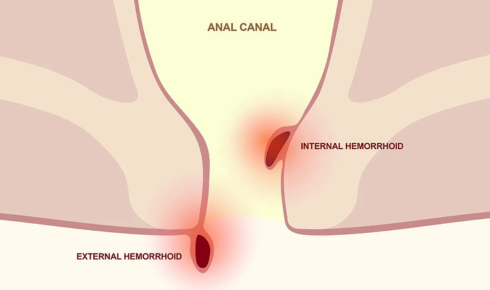
A hemorrhoid is a swollen vein in the rectum or anus, similar to varicose veins that appear in the legs. These inflamed veins can cause discomfort, pain, itching, and sometimes bleeding. Hemorrhoids are classified into two main types:
- Internal Hemorrhoids: Located inside the rectum, often painless but can cause bleeding.
- External Hemorrhoids: Develop under the skin around the anus, causing pain and irritation.
Understanding the type of hemorrhoid is crucial because it determines the most effective treatment approach.
Common Causes of Hemorrhoids
Knowing what is a hemorrhoid also involves understanding what triggers their development. Common causes include:
- Straining During Bowel Movements – A major factor, often linked to constipation.
- Chronic Diarrhea – Frequent bowel movements can irritate veins.
- Pregnancy – Increased pressure in the pelvic area can lead to hemorrhoids.
- Sedentary Lifestyle – Lack of movement contributes to poor blood circulation.
- Obesity – Excess weight puts pressure on rectal and anal veins.
By addressing these causes, individuals can take preventive steps to reduce the risk of developing hemorrhoids.
Recognizing Hemorrhoid Symptoms
Early recognition of hemorrhoid symptoms can prevent complications. Common signs include:
- Pain or discomfort in the anal area
- Swelling or a lump near the anus
- Itching or irritation
- Bright red blood on toilet tissue or in the toilet bowl
- Mucus discharge in severe cases
If symptoms persist for more than a week or worsen, consulting a specialized clinic like Hemroid Center is highly recommended.
Who Is at Risk?
While hemorrhoids can affect anyone, certain groups are more prone:
- Adults aged 45–65
- Pregnant women
- People with chronic constipation or diarrhea
- Individuals with a family history of hemorrhoids
- People with prolonged sitting or standing jobs
Understanding personal risk factors is essential for prevention and early intervention.
Diagnosing Hemorrhoids
Diagnosis typically begins with a physical examination. A healthcare provider may:
- Conduct a visual inspection of external hemorrhoids
- Use an anoscope to examine internal hemorrhoids
- Recommend colonoscopy if there’s rectal bleeding to rule out other conditions
Early and accurate diagnosis ensures effective treatment and faster recovery.
Treatment Options for Hemorrhoids
Treatment depends on the type and severity of the hemorrhoid. Options include:
Conservative Treatments
For mild cases, non-invasive approaches may suffice:
- Dietary changes: Increase fiber intake to soften stools.
- Hydration: Drink plenty of water to prevent constipation.
- Sitz baths: Warm water soaks relieve discomfort.
- Topical treatments: Creams and ointments to reduce inflammation.
Minimally Invasive Procedures
For persistent or severe hemorrhoids, clinics like Hemroid Center offer advanced treatments:
- Rubber Band Ligation: A small band is placed around the hemorrhoid to cut off blood supply, causing it to shrink.
- Infrared Coagulation: Uses light energy to reduce hemorrhoid size.
- Sclerotherapy: A solution is injected to shrink internal hemorrhoids.
Surgical Options
Surgery is reserved for severe or complicated cases:
- Hemorrhoidectomy: Surgical removal of large or painful hemorrhoids.
- Stapled Hemorrhoidopexy: Staples are used to reposition hemorrhoids and cut off blood flow.
Lifestyle Tips to Prevent Hemorrhoids
Preventing hemorrhoids is often easier than treating them. Consider these actionable tips:
- Eat a High-Fiber Diet: Include fruits, vegetables, and whole grains.
- Stay Hydrated: Aim for at least 8 glasses of water daily.
- Exercise Regularly: Improves blood circulation and prevents constipation.
- Avoid Prolonged Sitting: Take breaks to move around, especially at work.
- Practice Healthy Bowel Habits: Don’t strain, and go when you feel the urge.
These strategies can significantly reduce your risk of developing hemorrhoids and improve overall digestive health.
When to Seek Professional Help
Even though hemorrhoids are common, persistent or severe symptoms should never be ignored. Seek professional help if you experience:
- Heavy bleeding
- Severe pain that doesn’t improve with home care
- A lump that persists or grows
- Symptoms that interfere with daily life
Specialized centers like Hemroid Center in Scottsdale, Arizona provide expert diagnosis, treatment, and post-treatment care.
Why Choose a Specialized Hemorrhoid Center?
Visiting a specialized center offers benefits beyond standard care:
- Expertise: Physicians focus exclusively on hemorrhoid and anal disorders.
- Advanced Treatment: Access to the latest minimally invasive and surgical options.
- Personalized Care: Individualized treatment plans tailored to your condition.
- Patient Education: Guidance on prevention and long-term management.
Choosing a specialized center ensures that patients receive the most effective care with minimal downtime.
Take Action Today
Understanding what is a hemorrhoid empowers you to take proactive steps toward better digestive health. Don’t wait until discomfort becomes severe, early intervention leads to faster relief and better outcomes.
Visit Hemroid Center in Scottsdale, Arizona, to schedule a consultation with experienced specialists. Your health and comfort are worth it.